When it comes to high-performance motorcycles, few components are as critical as the braking system. Whether you’re pushing limits on the track or riding aggressively on the street, your ability to slow down safely and consistently defines both performance and confidence. Modern braking systems are engineered to handle extreme conditions, but choosing the right setup requires understanding how each component works together.
This guide breaks down everything you need to know about high-performance motorcycle brakes, helping you make the right decision for your riding style.
Understanding the Core Components
A high-performance braking system is not just about stopping power—it’s about control, heat management, and consistency. The main components include:
- Brake calipers
- Brake discs (rotors)
- Brake pads
- Master cylinders
- Brake lines
Each plays a specific role, and upgrading only one part without considering the others can limit overall performance.
Brake Calipers: Precision and Power
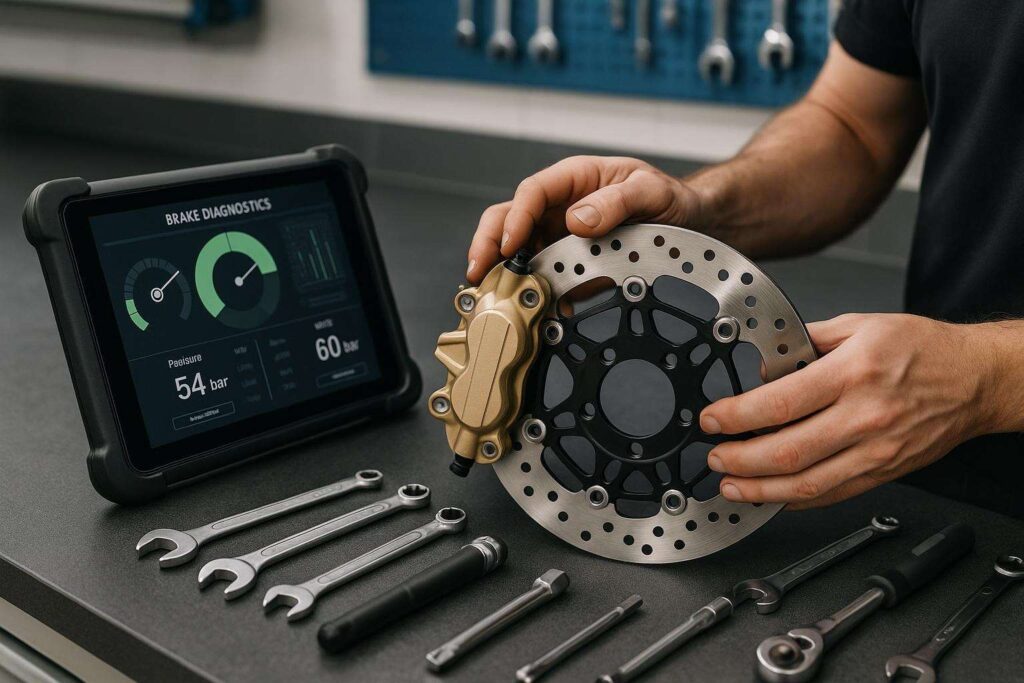
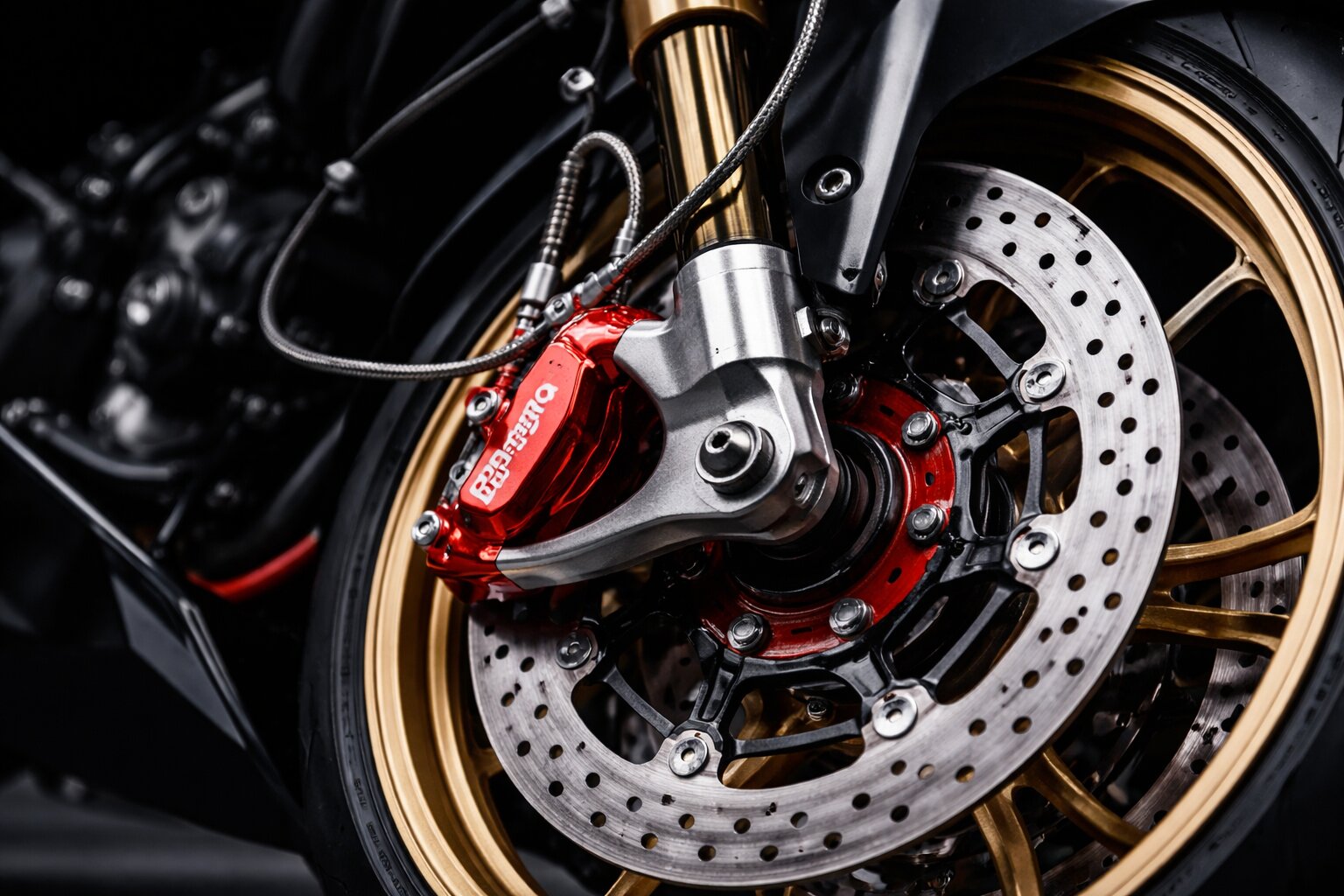
Brake calipers are responsible for applying pressure to the brake pads, which then clamp onto the rotor. High-performance calipers, such as those from premium racing manufacturers, are typically made from lightweight materials like aluminum or billet alloys.
Key factors to consider:
- Monobloc vs. multi-piece construction
Monobloc calipers offer superior rigidity, reducing flex under heavy braking. - Number of pistons
More pistons distribute pressure evenly across the brake pad surface, improving braking consistency. - Heat resistance
High-end calipers maintain performance even under extreme track conditions.
For riders focused on performance, investing in quality calipers is often the most noticeable upgrade.
Brake Discs: Managing Heat and Stability
Brake discs convert kinetic energy into heat. At high speeds, this process becomes extremely demanding, especially in racing environments.
Types of brake discs:
- Floating discs
Allow slight movement between the rotor and carrier, reducing warping and improving heat dissipation. - Fixed discs
Simpler and more affordable, but less effective under heavy stress. - Wave rotors
Designed for better cooling and reduced weight.
What matters most:
- Diameter and thickness
- Material quality
- Ventilation and design
A well-matched disc ensures consistent braking performance, even after repeated high-speed stops.
Brake Pads: The Contact Point
Brake pads are where friction happens. The compound used directly affects braking feel, noise, wear, and heat tolerance.
Common pad types:
- Sintered pads
Ideal for high-performance and racing applications. They offer strong braking power and durability. - Organic pads
Provide smoother braking but wear faster and handle less heat. - Ceramic blends
Balance between performance and longevity.
Choosing the right compound depends on how and where you ride. Track riders need high-temperature resistance, while street riders may prioritize smooth engagement.
Master Cylinder and Brake Feel
The master cylinder converts lever input into hydraulic pressure. While often overlooked, it has a major impact on braking feel and responsiveness.
Upgrading benefits:
- Improved modulation
- Shorter lever travel
- Better pressure control
Radial master cylinders are commonly used in high-performance setups due to their efficiency and precise feedback.
Heat Management: The Real Challenge
At speeds approaching 200mph, braking generates extreme heat. Without proper management, performance fades quickly.
Signs of brake fade:
- Reduced stopping power
- Spongy lever feel
- Increased stopping distance
To prevent this:
- Use high-quality brake fluid
- Choose components designed for heat resistance
- Ensure proper airflow to braking components
Heat is the biggest enemy of performance braking systems, and managing it effectively is what separates average setups from race-ready ones.
Matching Your Setup to Your Riding Style
Not every rider needs a full race-spec braking system. The ideal setup depends on usage:
Street Performance Riders
- High-quality pads
- Upgraded brake lines
- Stock or mid-range calipers
Track Day Enthusiasts
- Floating discs
- Sintered pads
- Radial master cylinder
Professional Racing
- Full system upgrade
- Lightweight calipers
- High-performance discs and pads
- Racing brake fluid
Choosing the right combination ensures optimal performance without unnecessary cost.
The Importance of Balance
One of the most common mistakes riders make is upgrading a single component while ignoring the rest of the system. True performance comes from balance.
For example:
- Powerful calipers with poor discs lead to overheating
- High-end pads with weak calipers reduce effectiveness
- Strong brakes without proper tires limit grip
Every part must work together to deliver consistent and predictable braking.
Installation and Maintenance Tips
Even the best components require proper installation and maintenance.
Best practices:
- Always bed in new brake pads correctly
- Regularly check brake fluid condition
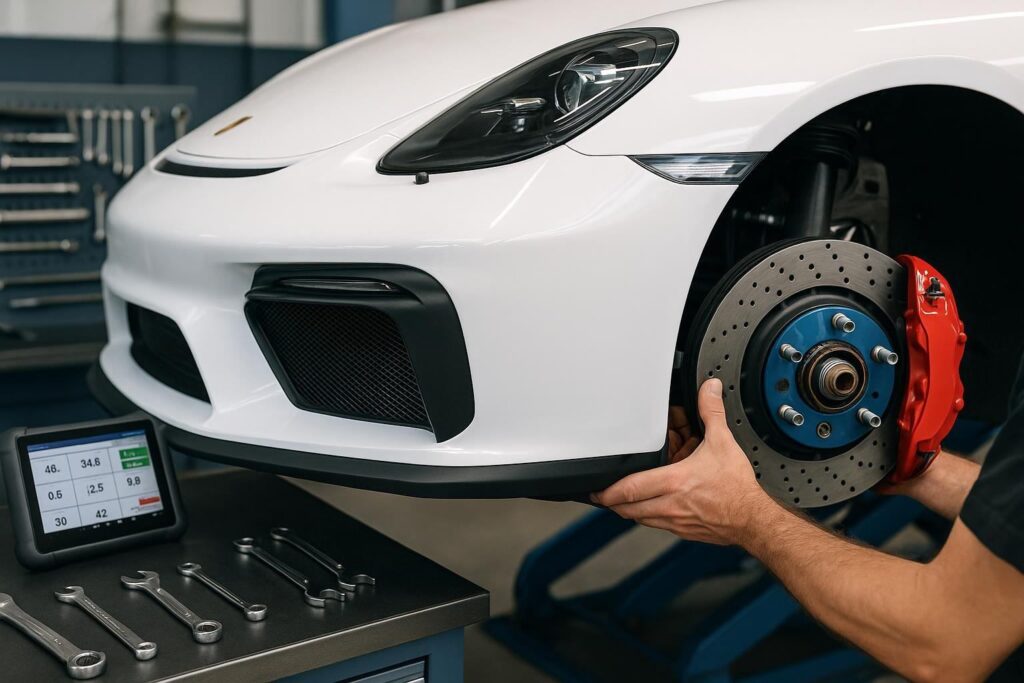
- Inspect discs for wear and warping
- Keep calipers clean and properly aligned
Routine maintenance ensures long-term performance and safety.
Final Thoughts
High-performance motorcycle braking systems are about more than just stopping quickly—they’re about control, confidence, and consistency under pressure. Whether you’re navigating tight corners or braking hard at high speeds, the right setup transforms your riding experience.
By understanding how each component works and choosing parts that complement each other, you can build a braking system that performs reliably in any situation. From premium calipers to advanced disc designs, investing in quality components is one of the smartest upgrades any rider can make.