How a Plate Check Must Come First on Every Used-Bike Shopper’s To-Do List for PA in 2026
No state on the East Coast can boast a thicker market for used sports bikes than Pennsylvania, where two separate clusters of motorcycle shoppers — one around the Philadelphia metro and another around the Pittsburgh region — combine with a network of long east-west routes like Interstate 78 and Interstate 80 to deliver a constant flow of trailer-borne track machines to PA dealerships and private sellers every week from April through September. It is the activity on those roads that gives Pennsylvania’s used-bike inventory more depth and more danger than many buyers appreciate: a track-ready Brembo bike, a vintage Marchesini-shod race machine, or an immaculate enclosed trailer may change hands several times within Pennsylvania before ever leaving the state, with each sale carrying the possibility that crash damage is scrubbed from the disclosures, salvage titles are washed via private sale, or a body-shop repair invoice never makes it to the buyer’s folder. Plate checks eliminate that risk from the equation.
The Inspections Pennsylvania Requires Miss the Mark for Shoppers
Pennsylvania requires an annual safety inspection for all registered motorcycles in addition to operating an emissions control program in 25 counties. Combined, these programs are among the most stringent of the northeast states, creating a perception of greater reliability and lower risks among PA-titled bikes. The inspection itself is a current condition test: tire tread wear, brake travel, headlight and taillight function, chain tension, and the presence of visible damage in the frame or fork. It does not check for prior accidents, previous body-shop repairs, or any other aspect of vehicle history that is unrelated to the motorcycle’s current condition. Frame damage that occurred after an accident at Pocono Raceway, which was straightened in a body shop in the North Hills area outside Pittsburgh, and which was repainted to factory standards will receive an annual safety sticker without any issues identified. This also applies to any bikes with a salvage title that have undergone a salvage restoration and been re-registered with a clean frame. Those facts will never be discovered on a safety inspection certificate; they must be checked separately on a Pennsylvania plate lookup.
The Routes Bringing Buyers to Two High-Volume PA Bike Sources
The Carlisle motorcycle meets bring private sellers from across the mid-Atlantic to Carlisle PA every year, with hundreds of bikes selling to buyers looking for the next weekend project and seeding Craigslist and Facebook Marketplace listings in the weeks following the event. These listings have a habit of coming from sellers in PA who are not always forthcoming about the bike’s history. The second pipeline is the I-78 corridor between northern New Jersey and the Pocono Raceway area, serving as a year-round used-bike transportation route with bikes trading hands between Allentown, Bethlehem, and Easton. Buyers arriving in Pennsylvania from other states such as New Jersey, Maryland, New York, Ohio, and West Virginia will commonly register the bike in the seller’s county and drive home in the trailer before transferring the bike to their own address, making the previous plate no longer visible on the title in many states. A Pennsylvania plate lookup tool run against the seller’s current registration information will reveal title brands, prior registrations, and a registration gap that can be matched against the seller’s narrative of ownership. A plate lookup in Pennsylvania costs less than ten dollars and takes less than five minutes to conduct.
Unchecked Trailers Carry the Same Risks as the Bikes They Haul
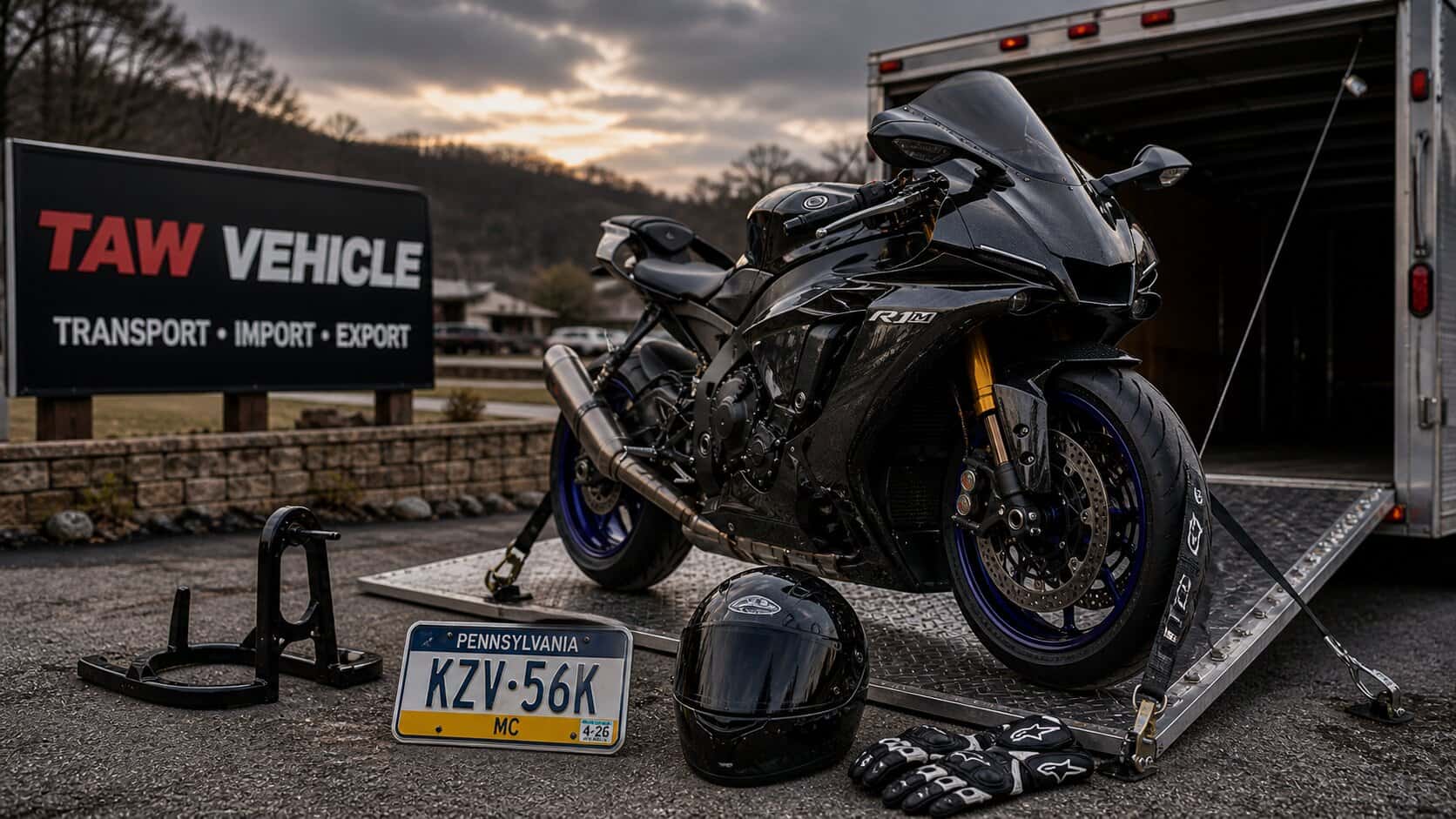
Trailers that haul bikes to track days in PA are just as susceptible to damage from previous collisions as the vehicles they are hauling. Pennsylvania registers each trailer individually and provides them with their own plate numbers, which makes running a plate lookup the same exercise as checking the motorcycle. Trailers purchased from estate sales, auction lots, and the Pennsylvania body shop network can carry hidden histories including unreported sidewall damage from crashes, frame adjustment for trailer-on-trailer collisions, or replacement of the trailer’s axles without proper documentation. If that trailer breaks down on the shoulder of Interstate 80 near Bloomsburg and there is a bike in the back, the insurance claim could total out a half-million dollar track package. Checking the plate history on the trailer adds just a few dollars and seconds to the plate check, delivering the same list of potential red flags that the bike delivers.
Using the Plate Report to Reorganize Every PA Bike Purchase
The best-prepared buyers make the plate check the first item on the list instead of a second step. A few minutes spent researching the seller’s license plate number with PennDOT linked services will yield the kind of report that a used-bike buyer can cross-reference against the seller’s oral history of ownership and condition. Discrepancies can immediately become visible in the form of an ownership history that contradicts the seller, a missing registration period from the title, a previous out-of-state title from a known salvage auction area, or any lien on the bike that was discharged without affecting the report. None of those alone have to mean death to the purchase, but they do mean the seller has to provide an explanation for each before the transaction goes forward. Switching the order of discussion to paperwork before payment makes a huge difference in the kinds of surprises the buyer ends up finding.